October 14, 2025
Antisense oligonucleotides (ASOs) are in the clinic for a variety of indications. When administrated, ASOs are susceptible to degradation before they even reach their intended target. To overcome this challenge, chemical modifications are made to the oligonucleotide; modifications such as phosphorothioate (PS-), 2′-O-methoxyethyl- (2′-MOE), or locked-nucleic-acid (LNA). These modifications enable the ASO to escape degradation or RNase H-mediated cleavage.
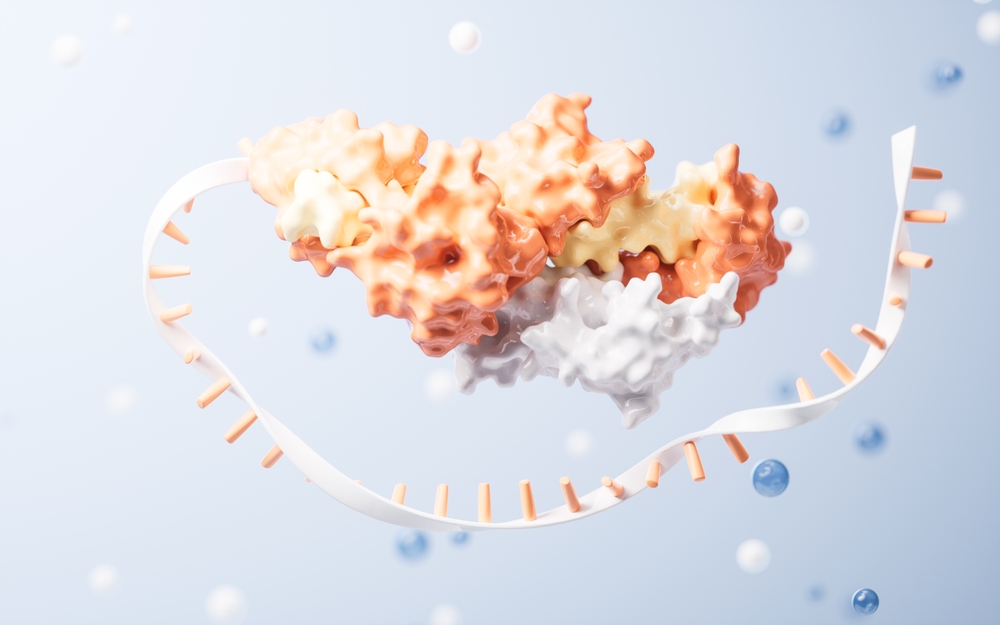
Now, a new chemical modification strategy is being investigated: circular ASO (C-ASO). The hope is that C-ASO will overcome degradation susceptibility and have stability. While linear ASOs (L-ASOs) have chemical modification of the sugar-phosphate backbone or nucleotides, C-ASOs would only be circularized to avoid degradation and have stability in serum. The chemical modifications in L-ASOs can raise concerns regarding toxicity and triggering an immune response. C-ASOs could avoid these concerns.
If C-ASOs have increased stability and are able to alleviate toxicity and immunogenity concerns, could C-ASOs be best-in-class over their L-ASO counterparts? As data emerges from the clinic, this will need to be a therapeutic modality that is watched in the RNA therapy or ASO field.
Science for Bankers focuses on all things therapeutic modalities. Our Modalities Watch Blog keeps you informed on all the latest developments of therapeutic modalities. Our Modalities MasterClass is a deep dive into therapeutic modalities. Enroll today in Science for Bankers’ Modalities MasterClass to master therapeutic modalities; a must for any biotech or pharma professional.