June 25, 2025
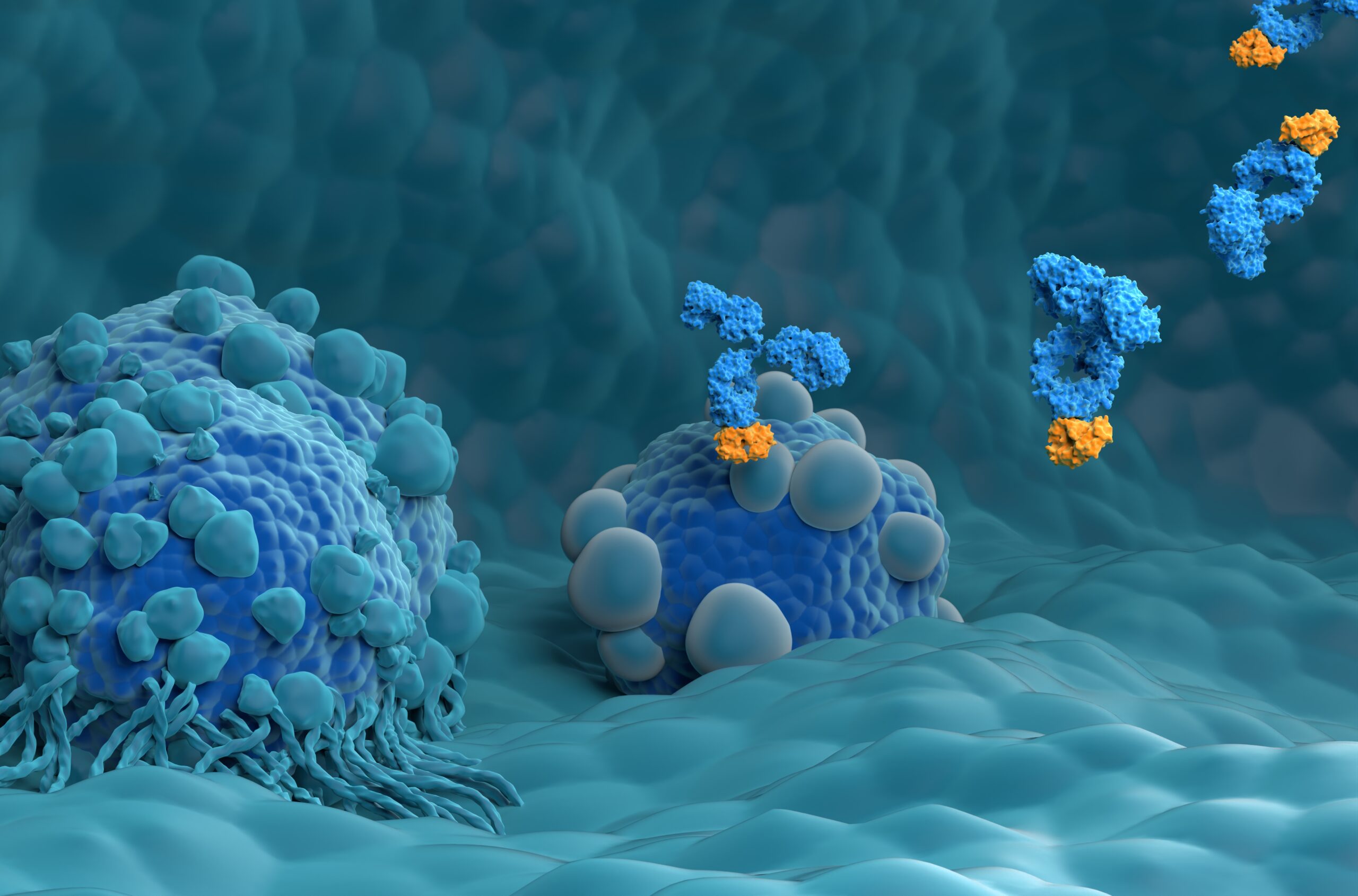
Several ADCs (antibody drug conjugates) have been approved by the FDA and many are in clinical trials. The basic structure of an ADC is an antibody conjugated to a drug, such as a small molecule. Conjugation between the antibody and drug is achieved with a linker. In an ADC, a key component in the composition of matter is the antibody – a full-length antibody.
However, over the last few years we have seen new modalities enter the clinic that are antibody derivatives. Bispecifics, fusion proteins, etc. are not full-length antibodies, but comprise antibody parts or fragments. It was only a matter of time before antibody derivatives replaced full length antibodies in ADCs.
A paper by Stamati et al. (link to abstract found here) details an investigation into FDCs, or Antibody-Fragment Drug Conjugates. Instead of a full-length antibody, FDCs use a fragment of an antibody. The theory behind using an antibody fragment over a full-length antibody is that the smaller format may be more suitable in targeting cancer cells in the tumor microenvironment (TME) of solid tumors.
Whether FDCs will have the same clinical success as ADCs is yet to be proven. However, using different antibody derivatives in the traditional ADC format is an interesting therapeutic strategy for the treatment of solid tumors.
Note about Science for Bankers:
Science for Bankers is an online resource for serious life science professionals. Our premium content focuses on complex life science topics and therapeutic strategies, and is available as an individual subscription or as a team subscription. We focus on all things therapeutics and modalities: small molecules, large molecules, gene therapy, cell therapy, and RNA therapy.